
It’s 2026. You’re scrolling through social media and every third post is someone doing a workout you’ve never seen before, using equipment that didn’t exist six months ago, tracked by wearables that measure metrics you’re not sure matter.
Welcome to the fitness industry in 2026, where trends move faster than a HIIT circuit and staying relevant means staying informed. The trainers who are succeeding aren’t the ones with the fanciest certifications or the biggest Instagram followings. They’re the ones who spot emerging trends early, evaluate which ones actually matter and integrate the valuable ones into their business before competitors do.
This article breaks down the trends actually shaping personal training in 2026. We won’t be covering the flash-in-the-pan fads, but the fundamental shifts changing how coaching works, how clients train and what it takes to build a sustainable fitness business.
Contents:
- 1. AI-enhanced programming and coaching personalization
- 2. Hybrid training as the default (not the exception)
- 3. Recovery and longevity-focused training
- 4. Mental fitness integration with physical training
- 5. Wearable data integration for smarter coaching
- 6. Community based fitness experiences
- 7. Functional fitness for everyday life (not just performance)
- 8. Sustainable nutrition coaching over quick fixes
- 9. How to implement these trends without chasing every fad
AI-enhanced programming and coaching personalization
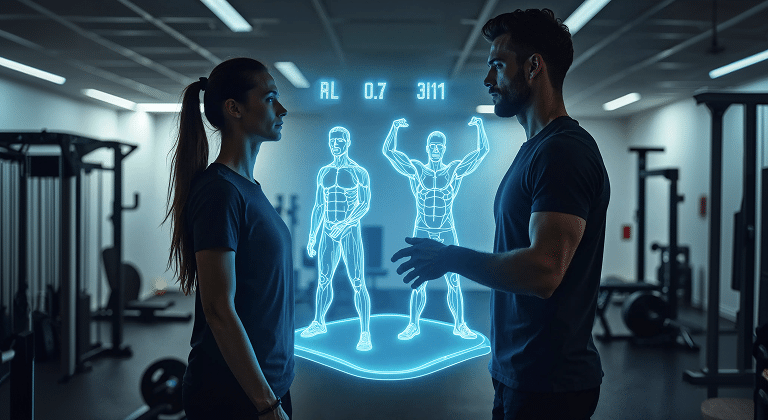
Artificial intelligence isn’t replacing personal trainers in 2026. But trainers using AI are replacing trainers who aren’t.
The difference is significant. AI tools for personal trainers have evolved from novelty to necessity, automating administrative tasks and enhancing personalization at scale.
What AI actually does for trainers in 2026
Automated check-in analysis:
Instead of manually reviewing 30 client check-ins every Monday, Check-Ins AI summarizes key issues, flags concerns and drafts personalized responses you can approve or edit, saving coaches up to 80% of their admin time.
Content generation assistance:
Creating workout descriptions, educational content, and client communication becomes 3-4x faster with AI writing tools like ChatGPT.
The human element still matters
Clients don’t hire algorithms. They hire you. AI handles data processing, pattern recognition, and repetitive tasks. You handle motivation, accountability, relationship building and real-time coaching adjustments based on context AI can’t see.
Hybrid training as the default (not the exception)

In 2026, the question isn’t “Should I offer online training?” It’s “How do I optimize my hybrid model?”
Post-pandemic, clients expect flexibility. They want in-person sessions when convenient and remote options when life gets busy. Trainers offering only one or the other are leaving money on the table.
The three hybrid models dominating 2026
Model 1: Anchor + Remote
- 1-2 in-person sessions per week
- Additional remote workouts clients complete independently
- Virtual check-ins and support
Works for: Established trainers with local client bases, expanding their reach.
Model 2: Intensive + Maintenance
- Monthly or quarterly in-person intensive sessions
- Daily remote programming and coaching between intensives
- Ideal for clients traveling frequently or living far from you
Works for: Trainers serving high-ticket clients who are willing to travel.
Model 3: Local + Global
- In-person training for local clients
- Separate online program for remote clients worldwide
- Different pricing structures for different service levels
Works for: Trainers scaling beyond geographic limitations.
For implementation strategies, check out this guide on incorporating online programming into your training business.
Technology requirements
Hybrid training requires robust software. You’ll need:
- Seamless workout delivery across in-person and remote clients
- Client communication tool
- Progress tracking that works in both settings
- Payment systems handling different service models
Half measures don’t work here, so we’d recommend implementing proper hybrid infrastructure using personal training software that can serve both in-person and online clients.
Recovery and longevity-focused training
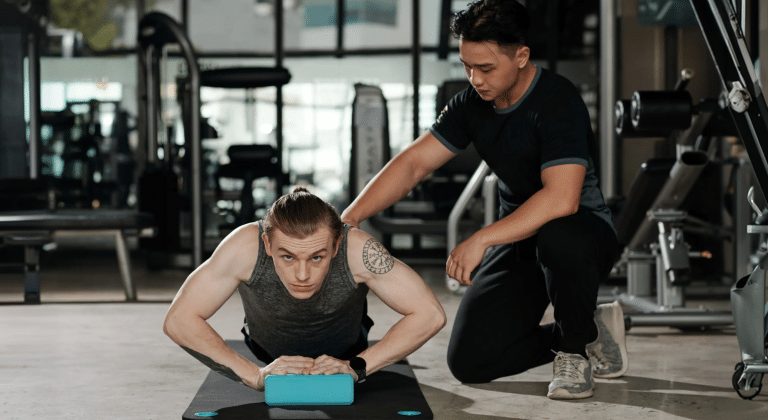
The “no pain, no gain” era is dead. In 2026, smart trainers prioritize recovery and sustainability over constant intensity.
This shift reflects aging demographics (Millennials are now in their 30s and 40s), increased awareness of burnout and research showing that recovery drives results as much as training itself.
What longevity training looks like
Deload weeks built into programs:
Planned recovery weeks every 4-6 weeks prevent overtraining and maintain long-term progress.
Emphasis on mobility and flexibility:
Not as warmup afterthoughts, but as primary training goals preventing injury and maintaining quality of life.
Lower-impact alternatives:
Providing effective training that doesn’t destroy joints, such as swimming, cycling, low-impact HIIT, resistance training over endless running.
Sleep and stress management:
Trainers now regularly discuss sleep quality, stress levels and recovery markers with clients, adjusting training intensity based on readiness.
Tracking recovery metrics
Wearables make recovery data accessible:
- Heart rate variability (HRV)
- Resting heart rate trends
- Sleep quality and duration
- Readiness scores
Trainers using this data adjust daily training intensity, preventing injury and optimizing results.
Mental fitness integration with physical training
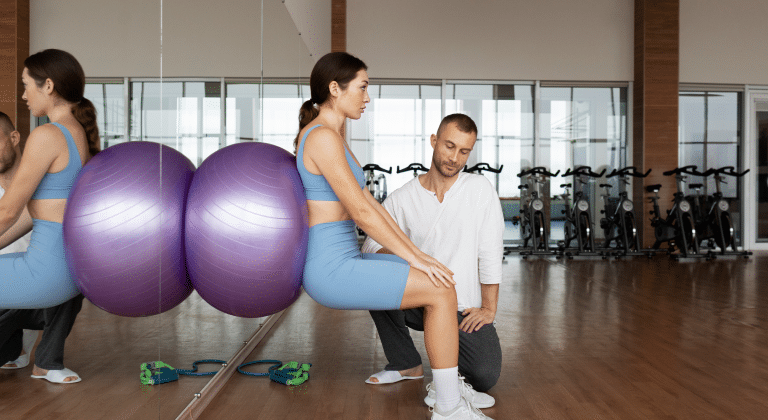
The line between physical and mental fitness has blurred. In 2026, trainers who only address physical training are seen as incomplete.
Clients increasingly seek trainers who understand the mental and emotional aspects of fitness, like stress management, confidence building, overcoming psychological barriers and using exercise for mental health.
How trainers integrate mental fitness
Mindfulness warm-ups:
2-3 minutes of breathing exercises or meditation before workouts to improve focus and mind-muscle connection.
Goal-setting frameworks:
Using psychological principles (SMART goals, implementation intentions, habit stacking) rather than just writing down targets.
Positive psychology approaches:
Focusing on what clients can do rather than what they can’t, celebrating non-scale victories and building self-efficacy.
Stress-adaptive programming:
Adjusting workout intensity based on client stress levels rather than following rigid plans regardless of mental state.
Education requirements
You don’t need a psychology degree, but trainers in 2026 are educating themselves on:
- Basic motivational interviewing techniques
- Habit formation science
- Stress physiology
- When to refer clients to mental health professionals (knowing your scope of practice)
Wearable data integration for smarter coaching
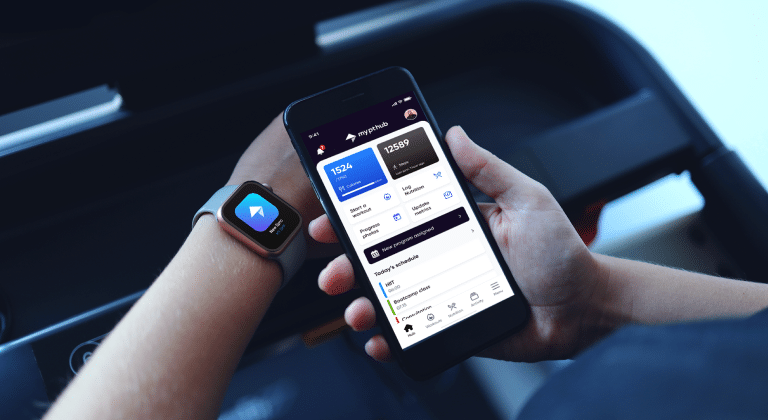
In 2026, almost 50% of clients wear some form of fitness tracking device or smartwatch (e.g. Apple Watch, Fitbit, Garmin, WHOOP or Oura Ring). Trainers who can’t integrate and interpret this data are at a disadvantage.
What trainers track via wearables
Activity levels:
Daily steps, active minutes, calorie burn (with healthy skepticism about accuracy).
Heart rate data:
Training zone compliance, recovery between intervals, resting heart rate trends indicating improved fitness or overtraining.
Sleep metrics:
Duration, sleep stages, sleep quality indicators that inform training readiness.
HRV (Heart Rate Variability):
Arguably the most valuable metric for assessing recovery status and determining appropriate training intensity.
The coaching conversation shift
Instead of: “How do you feel today?”
Now: “I see your HRV was down 15% and you only got 5 hours of sleep. Let’s modify today’s workout to focus on movement quality rather than intensity.”
Data doesn’t replace coach intuition, but it does inform it. Clients appreciate trainers who can contextualize their data into actionable coaching.
Integration requirements
Quality personal training software now integrates with major wearable platforms, automatically importing client data without manual entry. If your software doesn’t do this in 2026, you’re behind.
Related article: Wearables & fitness trackers: How personal trainers can use data to coach better
Community-based fitness experiences

In 2026, clients increasingly seek social connection through fitness, something individual training can lack. Clients stay longer and refer more frequently when they feel part of something bigger than their individual workouts.
Accountability through peer support:
Knowing others are showing up increases adherence.
Friendly competition:
Fitness challenges and leaderboards create engagement and motivation.
Shared experience:
Celebrating wins together, supporting through struggles, building relationships beyond trainer-client dynamics.
Building community as a personal trainer
Group training sessions:
Small group training (4-8 people) combines personal attention with community benefits.
Online communities:
Private Facebook groups or in-app social features connecting clients.
Challenges and competitions:
Monthly fitness challenges creating participation and engagement.
Social events:
Quarterly hikes, workshops or social gatherings strengthening community bonds.
Client ambassador programs:
Empowering engaged clients to welcome newcomers, creating peer-to-peer connections.
Community isn’t just a retention strategy; it’s what clients increasingly expect and value.
Related article: How to build a community around your personal training business: The complete guide
Functional fitness for everyday life (not just performance)
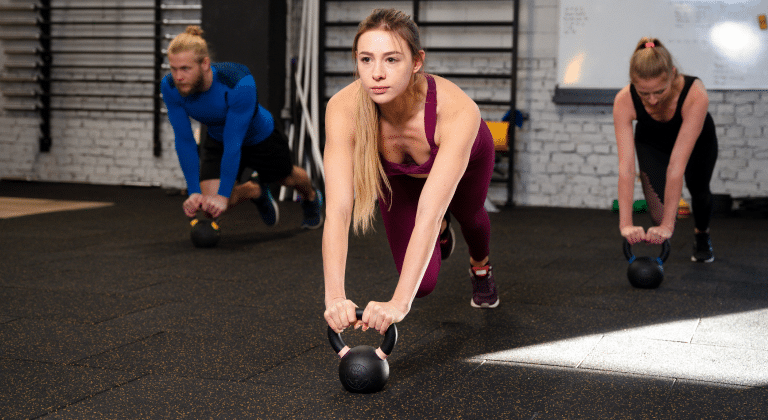
In 2026, fewer clients care about their deadlift max. More care about picking up their kids without back pain, carrying groceries upstairs without getting winded and maintaining independence as they age.
The functional fitness shift
Functional fitness has evolved beyond CrossFit workouts. It now means training movements that directly improve daily life quality.
Everyday movement patterns:
- Squatting (sitting and standing)
- Hinging (picking things up)
- Carrying (groceries, luggage, children)
- Pushing and pulling (doors, furniture)
- Rotation (reaching, twisting)
- Getting up from the floor
Real-world conditioning:
- Stair climbing endurance
- Walking long distances comfortably
- Playing with kids/grandkids without exhaustion
- Maintaining balance and coordination
Programming for function
Include exercises like:
- Turkish get-ups (complex movement requiring coordination and strength)
- Farmer’s carries (functional loaded walking)
- Step-ups (stair climbing simulation)
- Single-leg exercises (balance and real-world stability)
- Floor-to-standing transitions (practical for aging populations)
Sell the outcome, not the exercise: “This exercise helps you play with your grandkids without pain” resonates far more than technical exercise names.
Sustainable nutrition coaching over quick fixes

The 30-day transformation and extreme diet culture is dying. In 2026, clients increasingly value sustainable approaches over dramatic before-and-after photos achieved through unsustainable methods.
The sustainability focus
Trainers are moving away from:
- Extreme calorie deficits
- Food group elimination
- “Challenge” diets with end dates
- All-or-nothing approaches
Moving toward:
- Moderate, sustainable calorie adjustments
- Flexible eating patterns
- Habit-based nutrition changes
- Long-term lifestyle modifications
- A better psychological relationship with food
Practical sustainable nutrition coaching
Small habit stacking:
Adding one positive nutrition habit every 2-4 weeks rather than overhauling everything simultaneously.
80/20 approach:
80% nutrient-dense whole foods, 20% flexibility for life, social events and mental wellbeing.
Education over restriction:
Teaching clients why certain foods support their goals rather than just telling them what they can’t eat.
Process goals over outcome goals:
“Eat protein at every meal this week” beats “lose 2 pounds this week” for long-term success.
The business impact
Clients on sustainable programs stay longer. They don’t quit after “finishing” a challenge. They refer friends because their results came without misery. Sustainable approaches build sustainable businesses.
How to implement these trends without chasing every fad

Not every trend deserves your attention. Some will disappear within months. Others will fundamentally reshape how personal training works.
The trend evaluation framework
Before adopting any trend, ask:
Does this serve my clients’ actual goals?
If your clients are busy professionals seeking health and functionality, ultra-advanced bodybuilding techniques aren’t relevant regardless of trendiness.
Does this align with evidence-based practice?
Trendy doesn’t mean effective. Always fact check: is there research supporting this, or just social media hype?
Can I implement this authentically?
Don’t force trends that don’t match your coaching style or expertise. Clients detect inauthenticity instantly.
Does this improve my business operations or just add complexity?
Some trends (like AI tools) streamline your business. Others just create more work for minimal benefit.
Is this sustainable long-term?
Trends requiring constant maintenance or frequent updates may not be worth the ongoing time investment.
Staying informed without overwhelm
- Follow 3-5 trusted industry sources (not 50)
- Attend one major industry conference annually
- Join one professional community (online or local)
- Allocate 2-3 hours monthly for professional development
- Test one new approach quarterly (not weekly)
Quality over quantity. Deep implementation of valuable trends beats superficial adoption of everything trending.
In summary
The fitness industry evolves constantly. In 2026, the trainers winning aren’t chasing every trend, they’re strategically adopting innovations that genuinely improve client results and business operations.
The trends that matter most:
- AI for operational efficiency and enhanced personalization
- Hybrid models providing client flexibility
- Recovery and longevity focus over constant intensity
- Mental fitness integration
- Time-efficient training for busy clients
- Wearable data informing programming decisions
- Community building for retention
- Functional training for real-world application
- Sustainable nutrition approaches
The trends that don’t:
- Gimmicky equipment disappearing in six months
- Extreme diet protocols rebranded for the tenth time
- Social media challenges with no real training value
- Overly complex methodologies confusing clients
Stay informed. Stay selective. Stay focused on what actually helps your clients achieve their goals while building your sustainable business. That’s the real trend that never goes out of style.
Ready to implement 2026’s trends in your training business?
My PT Hub brings together the technology and tools you need to stay ahead of fitness industry trends without getting overwhelmed by every fad.
AI-enhanced efficiency through automated client check-ins and progress tracking. Seamless hybrid training delivery with both in-person and remote clients managed from one platform. Wearable integration syncing data from Apple Health, Fitbit, Garmin, and other devices automatically. Community building tools including group messaging, fitness challenges and social features. Recovery tracking with built-in metrics, progress photos, and client feedback systems. Time-efficient programming with 7,500+ HD exercises and workout templates ready to deploy.
Stop cobbling together multiple tools to keep up with industry changes. My PT Hub consolidates everything you need to deliver modern, effective, trend-aware training while running an efficient business.
Start your 30-day free trial of My PT Hub today and discover how the right software helps you adopt valuable trends while filtering out the noise.