
Your clients are crushing their workouts, showing up consistently and following your programming to the letter. But their results? Mediocre at best. The missing piece is almost always nutrition, and without proper tracking, you’re both flying blind.
Nutrition tracking tools remove guesswork and replace it with data-driven coaching. For personal trainers and fitness coaches, they unlock better client results, clearer decision-making and a more scalable nutrition coaching system.
This guide shows you exactly how to use nutrition tracking tools to transform your clients’ outcomes, streamline your coaching process and build a more profitable training business.
Contents:
- 1. Why nutrition tracking actually works
- 2. Choosing the right tracking approach for each client
- 3. Setting up clients for tracking success
- 4. How to analyze nutrition data effectively
- 5. Adjusting plans based on tracking insights
- 6. Overcoming common tracking challenges
- 7. Integrating tracking with your training programs
- 8. Scaling nutrition coaching with the right platform
Why nutrition tracking actually works
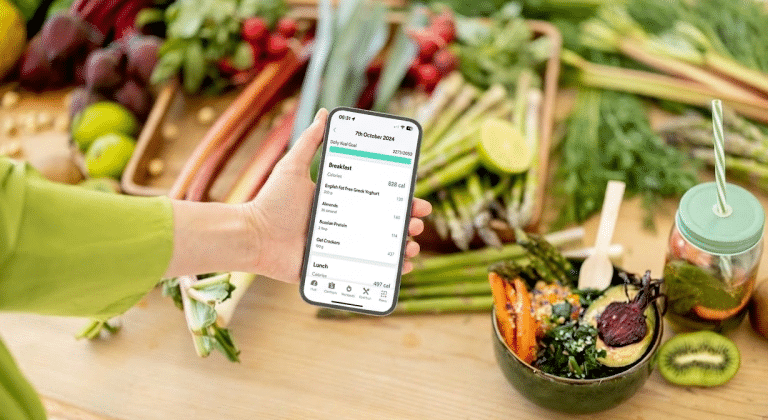
Nutrition tracking works because it creates awareness and accountability, two elements most clients desperately need but rarely have on their own.
When clients track their food, they become conscious of portion sizes they previously underestimated by 30-46%. What feels like a “small snack” or “light meal” is often hundreds of unaccounted calories. Nutrition tracking tools expose these blind spots immediately.
Tracking also removes emotion from coaching decisions. Instead of debating whether a client is “eating clean,” you can see exact calorie intake, macronutrient balance and consistency. Data replaces assumptions.
Most importantly, nutrition tracking creates a feedback loop. Clients see how food choices affect energy, recovery, performance, and body composition, reinforcing behaviors that drive results and exposing habits that hold them back. It also provides objective progress markers beyond the scale. When weight loss stalls but the data shows improved macronutrient balance, better meal timing or increased vegetable intake, clients can see they’re still moving forward (even if the scale hasn’t budged).
Choosing the right tracking approach for each client

Not every client needs the same level of tracking. The best nutrition tracking tools allow you to match the method to the individual, their goals and their lifestyle.
Basic photo journaling
Works well for beginners or clients resistant to detailed tracking. They simply photograph every meal and snack. This creates baseline awareness without the overwhelm of weighing food or counting macros. You can spot obvious issues like skipped meals, inadequate protein or portion size problems just from visual data.
Portion-based tracking
Using hand measurements provides more structure without requiring a food scale. Clients log meals in terms of palms (protein), fists (vegetables), cupped hands (carbs), and thumbs (fats). This method balances simplicity with useful data, making it ideal for intermediate clients or those with busy lifestyles.
Calorie tracking
Suits clients who need to understand energy balance but aren’t ready for macro tracking. They log foods and aim to hit a daily calorie target with general awareness of protein intake. With barcode scanners and large food databases, modern nutrition tracking tools like My PT Hub make calorie tracking relatively simple and sustainable.
Macro tracking
Provides the most detailed data and works best for clients with specific physique goals, athletes optimizing performance or those who’ve plateaued with less precise methods. They track protein, carbohydrates and fats to specific targets. This requires the most effort but delivers the most control.
Macro tracking
Provides the most detailed data and works best for clients with specific physique goals, athletes optimizing performance or those who’ve plateaued with less precise methods. They track protein, carbohydrates and fats to specific targets. This requires the most effort but delivers the most control.
Habit-based check-ins
Work for clients who respond poorly to tracking or have histories of disordered eating. Instead of logging food, they check off daily habits like “ate protein at breakfast” or “had three servings of vegetables.” You track behaviors rather than intake.
Consider matching the method to the person, not just your individual preference. A busy parent might thrive with portion tracking but quit macro tracking within a week. A data-driven engineer might find photo journaling too vague and prefer the precision of macro targets.
Setting up clients for nutrition tracking success

How you introduce nutrition tracking heavily determines whether clients stick with it.
Start by explaining why tracking matters for their specific goals. Clients are far more engaged when they understand How tracking leads to better results.
Set realistic expectations. Nutrition tracking feels effortful during the first week but becomes easier once foods and meals are saved. Most clients need 7–10 days to find their rhythm.
Use one primary nutrition tracking tool and teach it thoroughly. Walk clients through setup, logging a full day and common scenarios like eating out or traveling.
Prioritize consistency over perfection. Incomplete but consistent data is far more useful than perfect logs that last four days.
How to analyze nutrition tracking data effectively
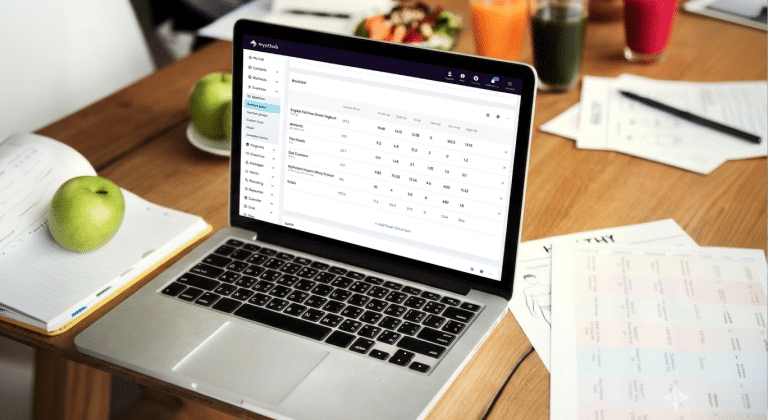
Nutrition data only matters if you know how to interpret it.
Focus on weekly averages rather than daily fluctuations. One high or low day doesn’t derail progress if weekly intake aligns with targets.
Look for patterns like:
- Strong weekdays and chaotic weekends
- Logging quality dropping as the week progresses
- Consistent under-eating of protein or vegetables
Review macronutrient distribution, not just calories. Protein intake affects recovery and muscle retention. Carbohydrates influence performance. Fats impact hormones and satiety.
Cross-reference nutrition tracking data with training performance, recovery, sleep and biofeedback. This context turns numbers into actionable insights.
Adjusting plans based on nutrition tracking insights
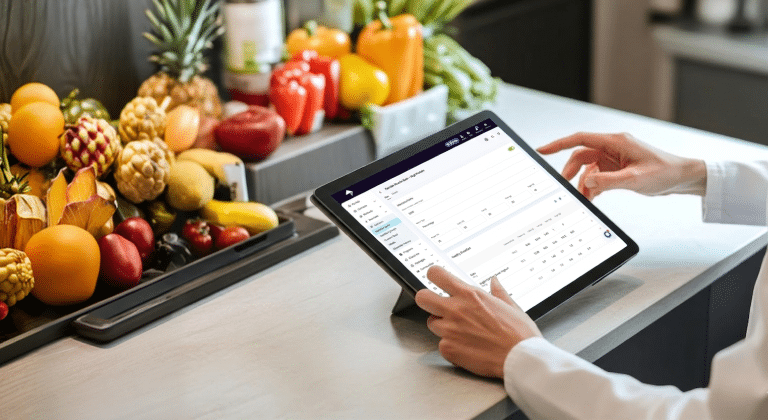
Nutrition tracking allows for precise, evidence-based adjustments.
Before changing a client’s plan, verify their compliance first. Incomplete or inconsistent tracking is often the real issue.
Make small, targeted changes:
- Increase protein if their calories are on target but recovery is poor
- Address weekend overconsumption instead of cutting weekday calories
- Adjust one variable at a time to identify what works
- Use the minimum effective change. Sustainable progress beats aggressive short-term fixes.
Always factor in biofeedback. If compliance is high but energy, mood, or performance suffer, the plan needs refinement, even if weight is dropping.
Overcoming common nutrition tracking challenges

Every client encounters obstacles. Anticipate these challenges and provide solutions before clients use them as quit-reasons.
“It takes too much time” usually means the client hasn’t developed efficient habits. Teach batch-logging, saving frequent meals as favorites, or using the copy function for repeated days. Once they build a database of common foods and meals, logging should take under five minutes daily.
“I don’t know what to log” at restaurants or social events requires simple strategies. Log the closest equivalent in the database, estimate portion sizes conservatively or take the best guess and move on. Perfect accuracy isn’t possible or necessary. Consistency matters more than precision.
“I feel obsessive” signals a need to reassess the approach. Some clients develop unhealthy relationships with tracking, obsessing over every gram or feeling anxious about logging. For these individuals, consider switching to less detailed methods or habit-based tracking. The goal is better health (which should include mental health!).
“I forgot to track” happens to everyone. Create reminder systems for your clients: phone alarms or push notifications before meals, tracking before eating anything or end-of-day catch-up sessions. Some clients prefer logging in real-time, others batch-enter at night. Find what works for their routine.
“The numbers don’t match my expectations” often reveals the actual problem. Clients think they’re eating far less than they actually are. This discomfort is part of the awareness process. Validate their feelings while keeping focus on the objective data.
“I stopped seeing results” might require tracking adjustments, not nutrition changes. Are they logging accurately? Weighing portions? Accounting for cooking oils and condiments? Tracking quality often degrades over time as clients become complacent. A tracking accuracy audit often reveals the issue.
Integrating nutrition tracking with your training programs

Nutrition tracking delivers maximum value when integrated with training data, not treated as a separate component.
Review nutrition logs during training sessions. When a client struggles with a workout, check their pre-workout nutrition. Low energy might stem from inadequate carbs, poor meal timing or insufficient overall calories. The tracking data provides immediate insights you can address.
Correlate intake with performance metrics. Track how nutrition patterns affect strength gains, endurance improvements or recovery quality. Clients who see direct connections between hitting protein targets and PBs on their lifts become far more motivated to maintain tracking compliance.
Adjust nutrition around training schedules. Use tracking data to optimize pre-workout fueling, intra-workout nutrition for longer sessions and post-workout recovery meals. When clients track consistently, you can fine-tune timing and composition for better performance and results.
Monitor for under-fueling during high-volume training blocks. Tracking reveals when clients aren’t eating enough to support increased training demands. This prevents overtraining, injury risk and frustrating strength losses despite hard work.
Create accountability loops between nutrition and training. If a client misses their protein target three days in a row, address it before their next training session. If they nail their nutrition all week, acknowledge that effort. This integration reinforces that nutrition and training are equally important.
Scaling nutrition coaching with the right platform
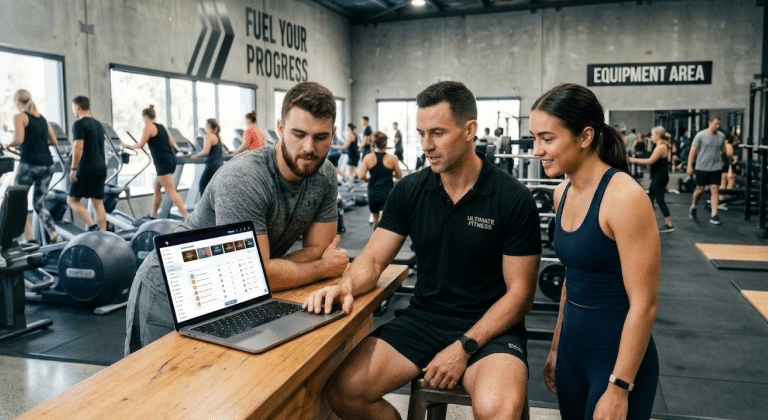
As your client base grows, manual nutrition review becomes unsustainable. The right nutrition tracking platform allows you to scale without sacrificing quality.
The best software for nutrition coaches should combine training programs, nutrition tracking, meal planning and client communication in one system. Fragmented tools create friction for both coaches and clients.
Key features to prioritize:
- Macro and calorie tracking
- Meal plan builders and pre-made templates
- Large, verified nutrition databases
- Integrations with wearable devices and third-party platforms like MyFitnessPal
- Progress dashboards and reports
- Automated reminders and check-ins
- Centralized client messaging
My PT Hub’s nutrition tracking tools are built specifically for nutrition tracking. Our platform combines the world’s largest verified nutrition database with meal planning, macro tracking, client analytics and training programs in one place, allowing coaches to deliver high-level nutrition coaching at scale without administrative overload.
Transform your client results with nutrition tracking tools
Nutrition tracking tools turn effort into outcomes. When you know exactly what clients eat, you can coach with precision instead of guesswork.
By choosing the right tracking approach, analyzing data effectively and integrating nutrition with training, you create a system that consistently delivers results.
Ready to simplify and scale your nutrition coaching? My PT Hub gives personal trainers everything they need to manage nutrition tracking, meal planning and client progress tracking in one powerful platform.
Start your 30-day free trial today and see how effective nutrition coaching becomes when supported by the right tools.