
As a personal trainer, working with older adults might not have been your first focus. But personal training for seniors is one of the fastest-growing and most rewarding niches in the industry, with demand rising year on year as more older adults prioritise their health, mobility and independence.
By specializing in senior fitness, you can expand your client base and position yourself as a trusted expert in a high-value demographic.
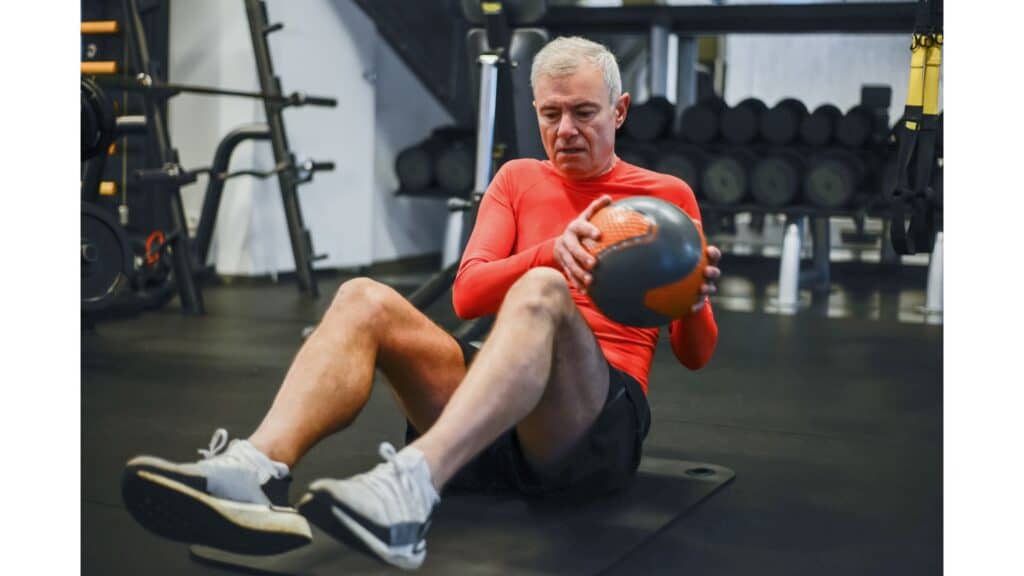
Training older adults is more than modifying workouts, though. It also requires an understanding of age-related physiological changes, safety considerations, and motivational strategies. In this guide, we’ll cover:
- Why training older adults is different
- How to conduct a senior fitness assessment
- Essential training guidelines for seniors
- 4 key benefits of personal training for seniors
- 4 key benefits of offering personal training to seniors
- How to motivate and communicate with senior clients
- Resources & certifications for senior fitness training
- How My PT Hub helps trainers work with older clients
Why training older adults is different
Aging affects the body in several ways that personal trainers must account for:
- Reduced muscle mass – Strength training is essential to combat sarcopenia.
- Lower bone density – Resistance training helps prevent osteoporosis.
- Balance and coordination issues – Falls are a major risk, so improving stability is crucial.
- Slower recovery – Sessions must allow for adequate rest and progressive overload.
- Chronic health conditions – Many seniors have medical concerns like arthritis, diabetes, or heart disease, requiring modifications.
Unlike younger clients, older adults require a more individualized approach, focusing on functional fitness, mobility, and injury prevention.
How to conduct a senior fitness assessment
Before starting a training program, assess your client’s mobility, balance, strength, and cardiovascular health. Consider the following:
- Medical clearance: Ensure your client has approval from their doctor, especially if they have pre-existing conditions.
- Functional Movement Screening (FMS): Identify limitations in mobility and stability.
- Balance test: Simple tests like single-leg stands can reveal balance deficits.
- Strength assessment: Bodyweight squats or grip strength tests can provide insight into muscular endurance.
- Cardiovascular endurance: Measure walking speed or step-up capacity.
A thorough intake questionnaire is just as important as a physical assessment. Use a personal training client questionnaire to capture medical history, lifestyle factors and goals before the first session.
Essential training guidelines for seniors
1. Focus on mobility & flexibility first
Older adults often have stiff joints and reduced range of motion. Prioritize:
- Gentle dynamic stretches before workouts.
- Yoga or tai chi-style movements to improve flexibility.
- Joint-friendly exercises like chair stretches and supported lunges.
2. Strength training is crucial
Sarcopenia (muscle loss) accelerates with age, but resistance training can slow it down. Include:
- Bodyweight exercises: Squats, push-ups (wall or knee modifications).
- Resistance bands: Provide low-impact strength work.
- Free weights & machines: Light loads with higher reps (10-15 reps per set).
3. Improve balance & coordination
Falls are a leading cause of injury in seniors. Focus on:
- Single-leg exercises (with support if needed).
- Step-ups and lateral movements.
- Core exercises to improve stability.
4. Modify cardio for senior needs
Many seniors struggle with high-impact cardio. Instead:
- Encourage brisk walking or light jogging.
- Use low-impact machines like ellipticals or recumbent bikes.
- Integrate chair-based exercises for those with severe mobility issues.
Need a starting point? My PT Hub’s pre-made workout templates include programmes you can customise for senior clients in minutes.

4 key benefits of personal training for seniors
1. Improved mobility
Mobility issues are common among seniors and often contribute to injuries and falls. Research shows that approximately 35% of people aged 70 experience mobility issues, with the majority of those over 85 facing similar difficulties l.
At the same time, inactivity remains a significant concern, with over 42% of people over 55 being inactive and only 14-17% of those over 65 engaging in regular physical activity.
This highlights the critical need for personal trainers who specialise in working with the elderly, helping them stay active, independent, and healthy.
Regular exercise enhances strength, flexibility, coordination, and balance—all essential for improving mobility and reducing fall risk.
By working with a personal trainer, seniors can focus on targeted exercises that strengthen muscles whilst also improving cardiovascular health, cognitive function and overall well-being.
Beyond fall prevention, a structured fitness routine can help mitigate various age-related health issues, ultimately supporting longevity and a higher quality of life.
With the right guidance, seniors can maintain their independence and continue leading fulfilling, active lifestyles.
2. Greater independence
When older adults experience limited mobility, they often struggle to live independently. Many may need to move into a senior facility, hire daily assistance, or rely on relatives for everyday tasks.
The more they can move confidently on their own, the better they can maintain their independence. This is where providing personal training for the elderly can have a positive, tangible impact on someone’s livelihood.
Fitness training for seniors focuses on improving functional abilities, empowering them to live and move with greater ease.
As they build endurance, mobility, strength, and cardiovascular health, they can navigate their surroundings more safely and confidently.
Increased physical fitness also fosters a sense of independence, allowing older adults to engage more fully in daily activities and social interactions.
When it comes down to it, personal training for seniors is more than achieving six-pack abs or lifting heavy weights. It’s about equipping them with the strength, balance and mobility to move through life comfortably and with confidence.
3. Reduced risk of life-threatening disease
Physical activity is estimated to prevent 3.9 million early deaths worldwide each year by reducing the risk of life-threatening diseases.
For older adults, staying active is especially crucial to maintain mobility and independence, as well as prevent a range of health conditions.
Personal training for elderly clients provides structured, safe exercise with professional support, helping to reduce the risk of numerous illnesses while improving overall well-being.
Here are some of the conditions that regular physical activity can help prevent in older adults:
- Heart disease
- Stroke
- Hypertension
- Type 2 diabetes
- Dementia
- Certain cancers (including bladder, breast, colon, endometrial, esophageal, kidney, lung, and stomach)
- Anxiety and depression
- Falls and fall-related injuries
The cognitive benefits are particularly significant. Exercise increases blood flow to the brain, which research has associated with reduced risk of dementia and improved mood. For seniors managing feelings of isolation, the structured social interaction of personal training sessions can also provide meaningful emotional support.
4. A safer route to reaching fitness goals
While joining a gym is an option for seniors looking to stay active, many face challenges when it comes to using equipment safely and modifying exercises to accommodate their limitations.
Without proper guidance, they risk injury, slow progress, or even a lack of results. Frustrations can lead to discouragement and, at worst, cause them to give up on exercise altogether.
Additionally, many seniors expect their bodies to perform as they did in their younger years, making it even more important to provide encouragement and realistic progress expectations.
Working with a personal trainer provides elderly clients with the one-on-one support they need to make the most of their workouts.
Trainers can tailor exercises to their specific needs, focusing on mobility, strength, balance, and endurance while ensuring each movement is performed safely and effectively.
Beyond physical benefits, personalized training also helps ease fears or anxieties seniors may have about the gym environment, making them feel more comfortable and confident in their fitness journey.
4 key benefits of offering personal training to seniors
1. Open yourself up to new clientele
One of the key benefits of offering personal training for the elderly is the opportunity to grow your business.
Specializing in fitness, strength training, and functional movement for seniors sets you apart from other trainers, demonstrating your ability to work with a diverse range of clients.
In addition to enhancing your reputation and versatility as a PT, diversifying your client base also increases your earning potential.
Additionally, seniors are often highly social and are likely to share positive experiences with friends, creating valuable word-of-mouth referrals that can further expand your client network.
2. Get back to the basics of fitness
Younger clients often seek high-intensity workouts focused on fast results, making it easy to get caught up in trends centered around intense cardio and strength training.
However, working with older adults brings the focus back to fundamental movements: balance, mobility, flexibility, and overall functional fitness.
Training seniors allows you to continually refine your knowledge of foundational fitness techniques and better understand how each movement impacts the body.
This expertise will enhance your ability to create effective programs for all demographics whilst attracting new clients, such as those recovering from injuries or managing medical conditions who need a more tailored approach to staying active.
3. Physical fitness is a growing trend among seniors
Since the onset of the COVID-19 pandemic, there has been a heightened awareness of both mental and physical health, particularly among at-risk populations.
As a result, seniors, who fall into this category, have shown an increased interest in fitness training. According to IHRSA’s 2021 Media Report, 69% of baby boomers (born between 1946 and 1964) want to be more active.
However, the rise in senior fitness training wasn’t solely driven by the pandemic. It was already a growing trend before 2020.
The same IHRSA report highlights that gym memberships among individuals over 65 increased by more than 34% from 2010 to 2019.
Another IHRSA report found that those over 55 were the fastest-growing demographic in gyms, even though the 18-34 age group still held the largest share at 30%.
Tapping into this trend can open your personal training business to a thriving pool of potential clients, allowing you to expand your services and stand out in an evolving fitness industry.
4. Tap into a high-value client base
Expanding into personal training for seniors benefits both your skillset and your bottom line. As well as a growing interest in fitness, many older adults have greater financial flexibility than most younger clients.
According to the Federal Reserve, baby boomers hold over 50% of generational wealth and spend an average of $63,000 per year.
This financial stability makes seniors less price-sensitive when it comes to investing in their health.
As a personal trainer, this presents a valuable opportunity to offer premium services, secure long-term clients, and increase referrals – ultimately helping you grow a thriving and sustainable business.
How to motivate and communicate with senior clients
Working effectively with older adults isn’t just about knowing the right exercises. It’s also about adapting how you coach.
Senior clients often need more time to learn new movements, so patience is essential. Progress may be slower than with younger clients, and realistic expectations should be set from the start. Celebrate small wins: completing a full set of chair squats or walking further than last week are meaningful milestones worth acknowledging.
Communication style also matters. Speak clearly, check for understanding and avoid fitness jargon. Many older adults have been inactive for years and may feel self-conscious in a gym environment, so building trust and rapport during the first few sessions sets the tone for a productive, long-term training relationship.
Finally, always encourage clients to listen to their bodies. If a movement causes discomfort, modify it without hesitation. A trainer who prioritises safety and comfort earns the loyalty of senior clients and their referral networks.
Resources & certifications for senior fitness training
Like with any specialty, you must ensure you’re qualified to offer personal training for seniors before you start advertising them or training anyone.
Fortunately, there are a lot of senior fitness training certifications and continuing education resources available.
Here are some of the top recommended ones:
For more routes into specialist areas of personal training, see our guide on how to become a successful personal trainer, which covers niche selection and CPD options in detail.
How My PT Hub can support personal trainers in expanding their offerings to seniors
Creating safe and effective workouts for seniors can be just as easy as creating training programs for any other client when you use My PT Hub’s Workouts Feature.
Use our pre-made workout templates or database of over 7,500 HD video exercises to choose the moves you want your senior clients to do. Then, edit and customize each exercise and workout to their needs and abilities. You can even upload your own exercise videos or instructions and use them to create workouts for your seniors.
Get started with a free 30-day trial of My PT Hub today!
Final thoughts
Personal training for seniors is one of the most rewarding and commercially compelling niches available to fitness professionals today. By understanding the specific needs of older clients, utilising the right training modifications and leveraging tools like My PT Hub, you can grow a thriving, high-value fitness business.